Dilapidations works are typically required at the end of a commercial lease. These works bring a property back to an agreed condition so it can be handed back to the landlord or prepared for the next tenant.
Without proper planning, dilapidations projects can become rushed, expensive and stressful. This checklist outlines the main elements involved so you can plan works properly and avoid unnecessary delays.
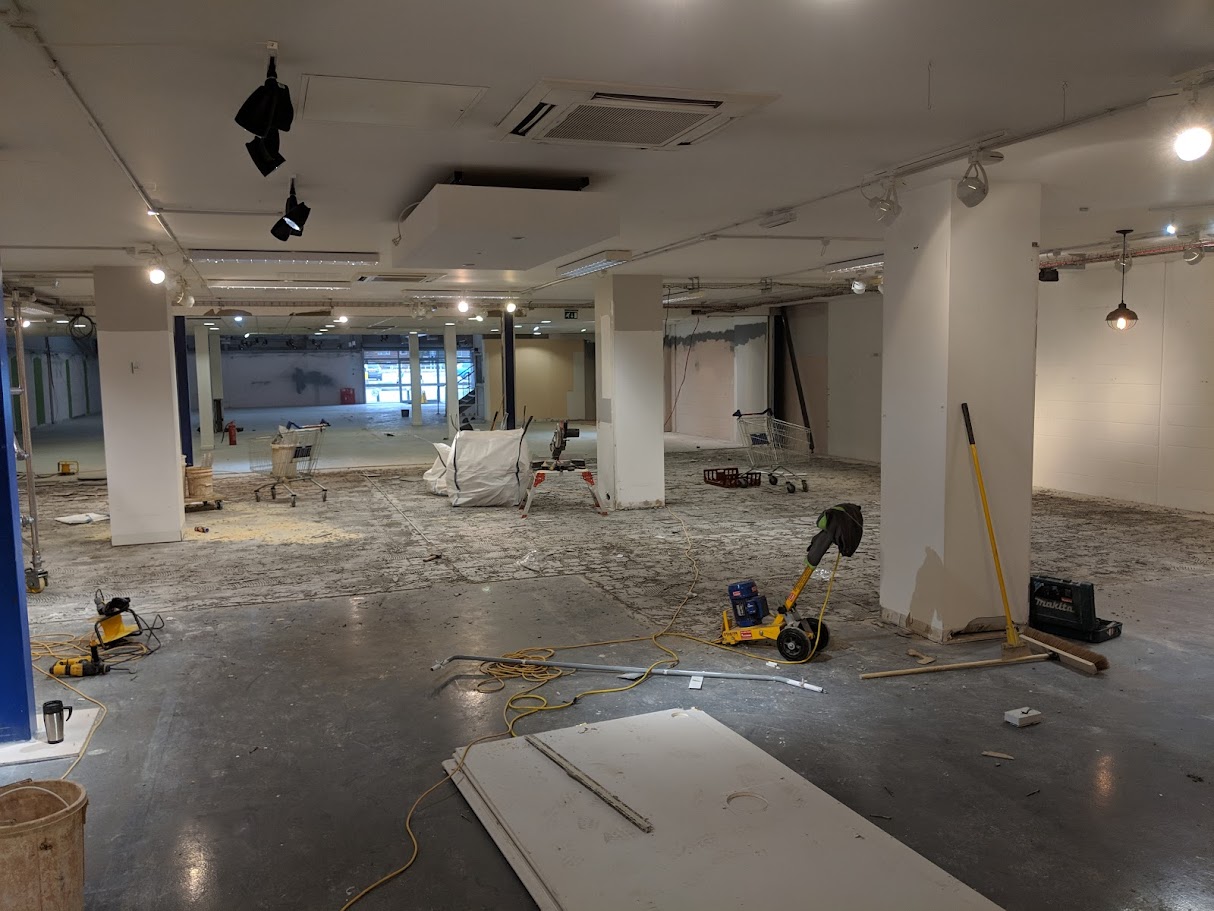
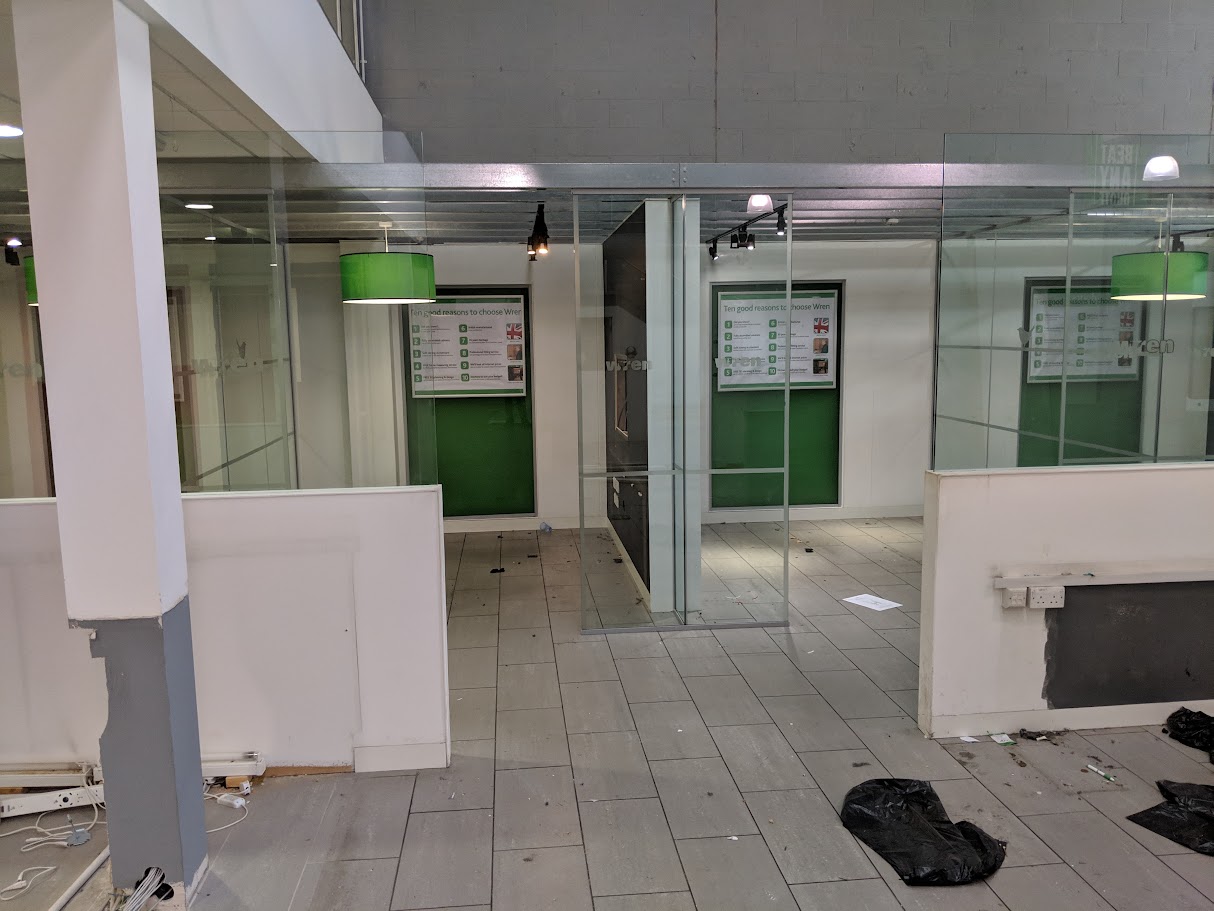
Most dilapidations projects begin with removing tenant-installed elements and returning the space to a basic shell condition.
For more detail on these works, see our commercial strip outs and dilapidations service.
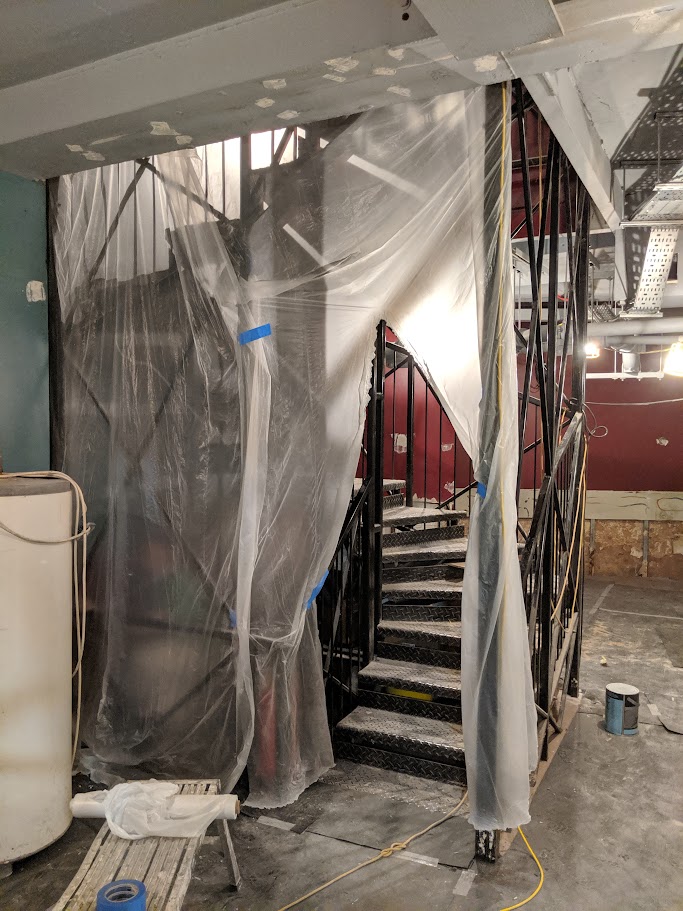
Once strip out is complete, surfaces are rarely left in a usable condition. Repairs and making good are essential before any finishing works begin.
Most commercial leases require the property to be redecorated before handover, usually to a neutral standard.
See our commercial decorating services for more information.
Always refer back to the lease and any schedule of dilapidations issued by the landlord or surveyor.
What are dilapidations?
Dilapidations are works required to return a commercial property to its agreed condition at the end of a lease.
Do all leases require dilapidations?
Most commercial leases include some form of reinstatement requirement, but the scope varies.
How long do dilapidations take?
This depends on the size of the property and the amount of work required.
Ravenhill Contractors Ltd provides strip outs, repairs, redecoration and reinstatement works across Sheffield and South Yorkshire.
Call us on 0330 666 55 66 or contact us here.