
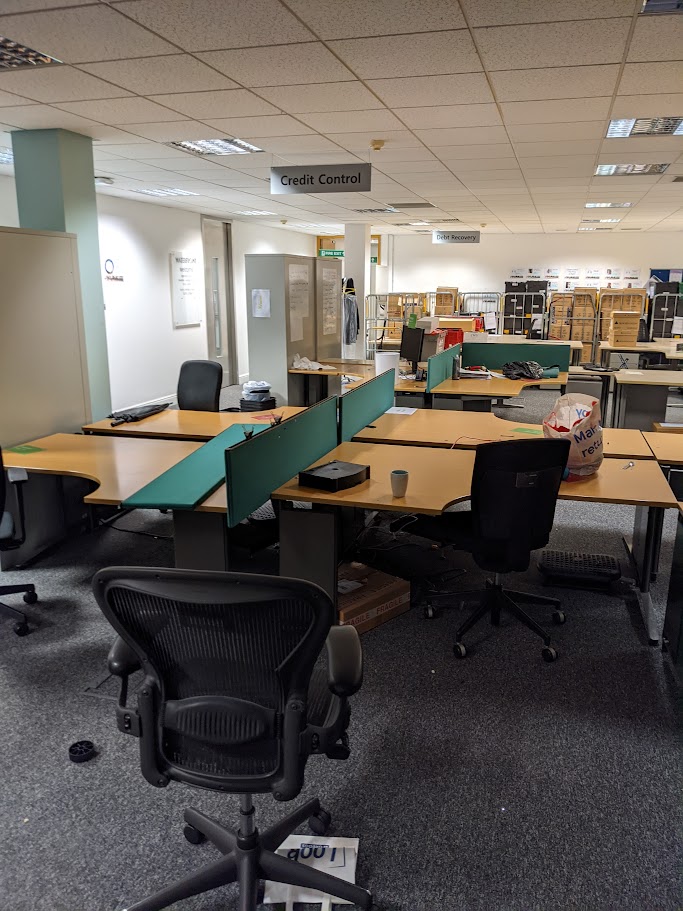
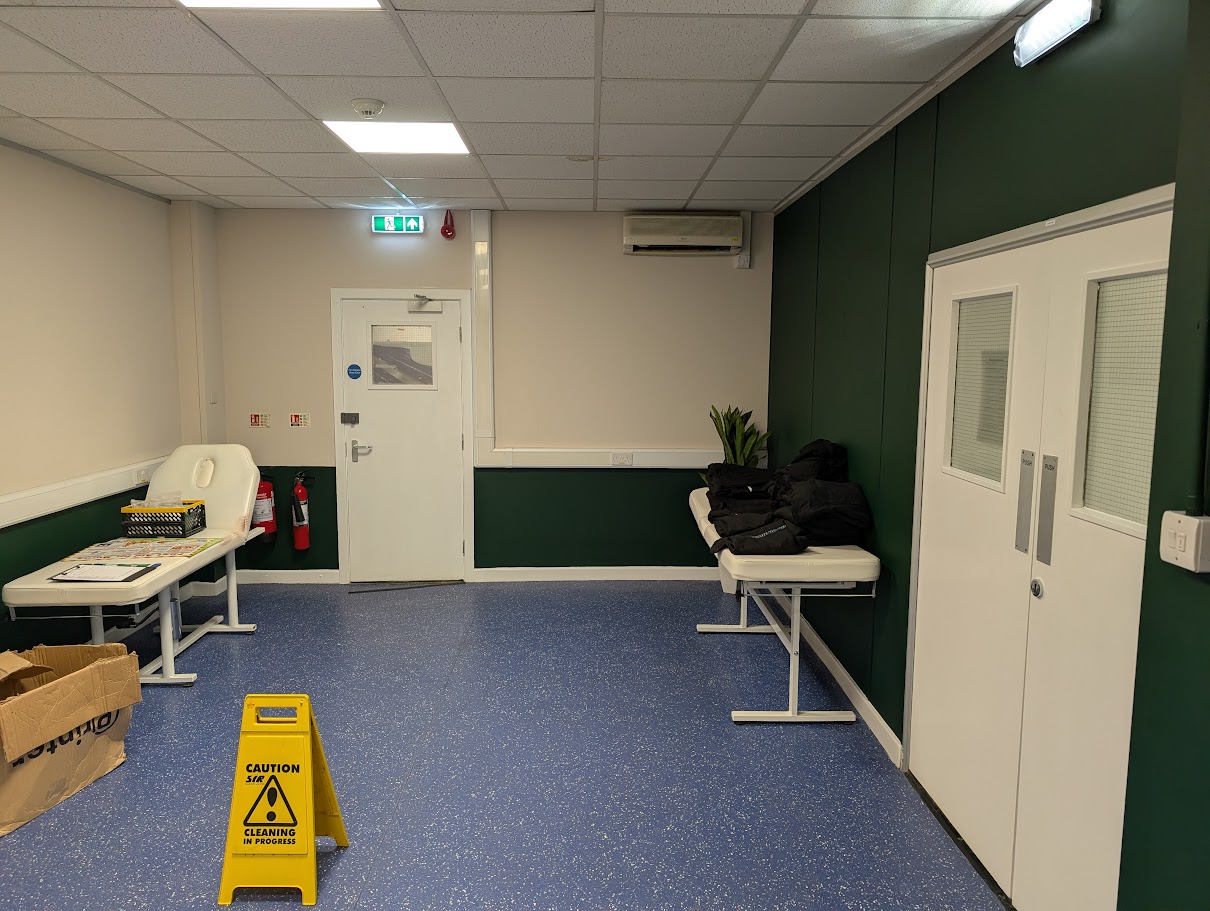
Planning an office fit out properly can save time, money and disruption. Whether you are refurbishing an existing workspace, reconfiguring a leased office, or preparing a newly acquired unit for occupation, the early planning stages have a huge impact on how well the project runs.
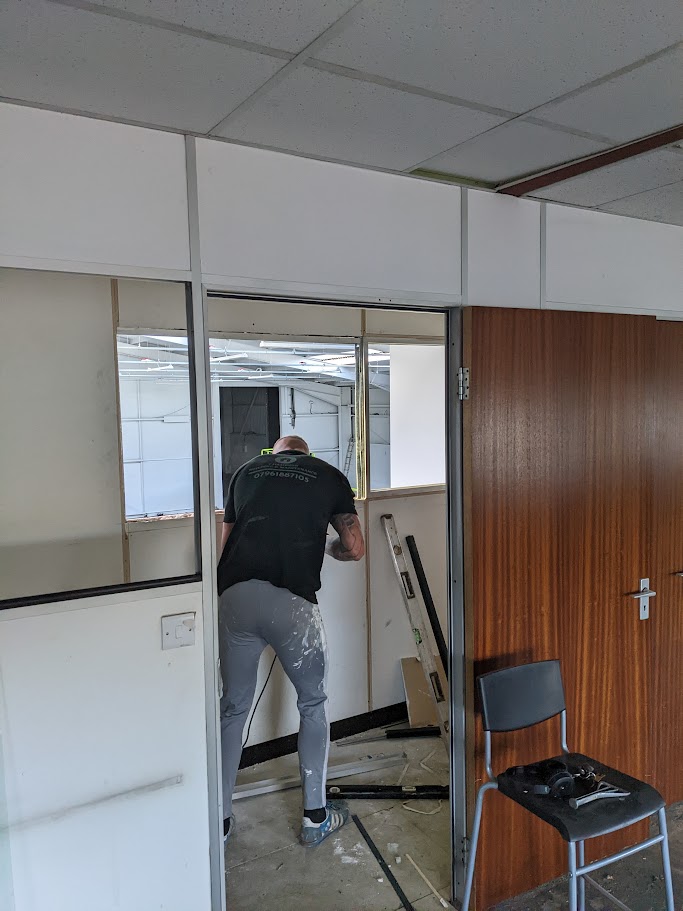
Office fit out projects often involve more than just decoration. They may include strip out works, partitions, drylining, ceilings, flooring, joinery, making good and final finishing. When those elements are planned in the right order, projects tend to move more smoothly and handovers are easier to achieve.
This guide explains the main considerations when planning an office fit out in Sheffield and South Yorkshire, helping landlords, facilities managers, business owners and managing agents understand what to think about before work starts.
The first step in any office fit out is deciding how the space needs to work in practice. That sounds obvious, but many projects run into problems because the layout is designed before the day-to-day use of the space has been properly considered.
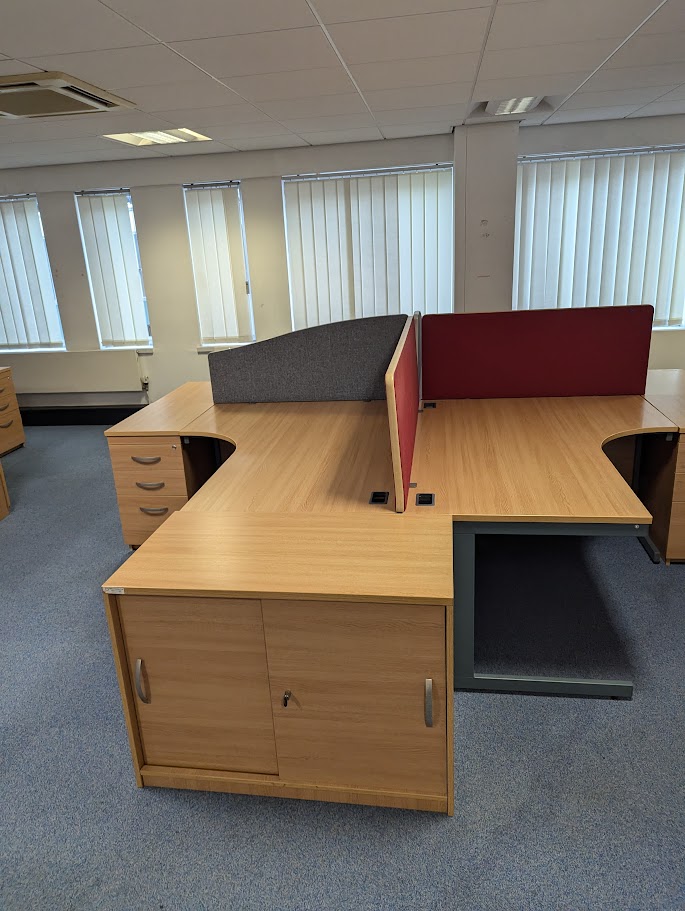
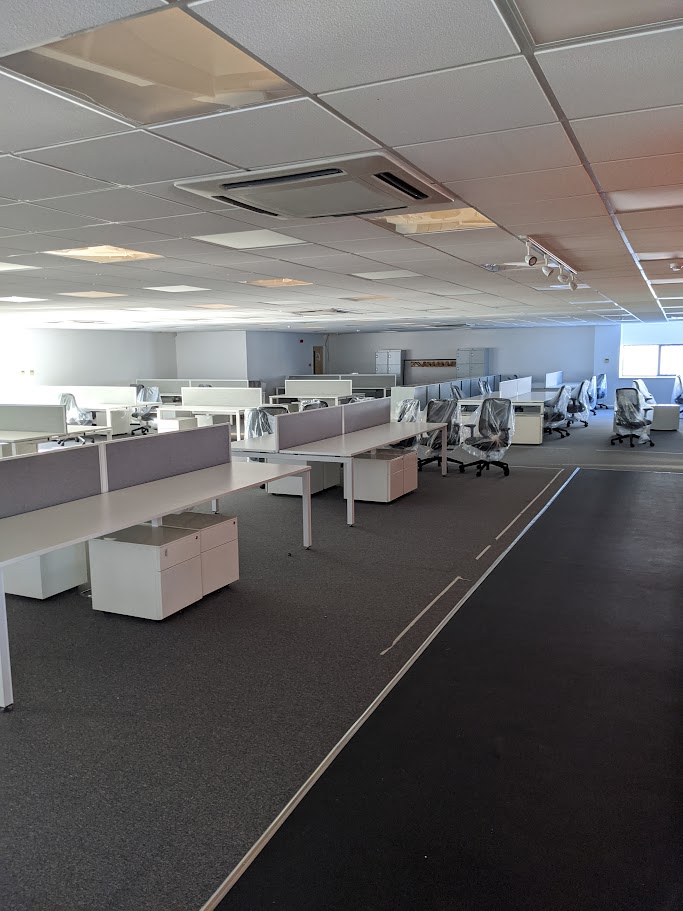
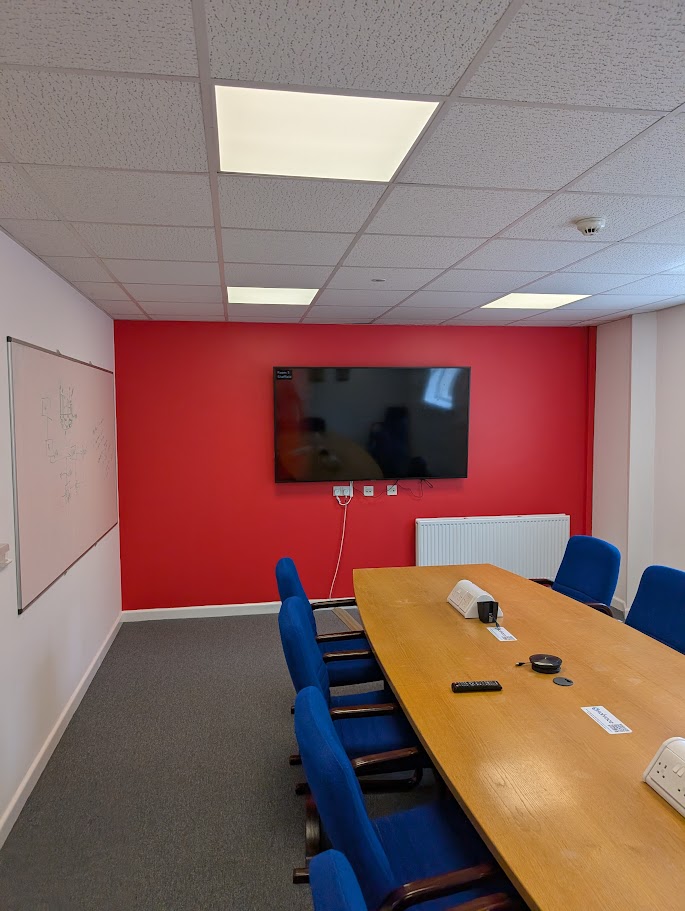
Start by looking at the people who will use the office, the type of work they do, how often teams collaborate, and what level of privacy is needed. A client-facing office may need meeting rooms and reception space, while an internal admin office may prioritise desk density, storage and simple circulation.
Getting this right early makes later decisions on partitions, doors, finishes and services much more straightforward.
Layout planning is one of the most important parts of the project. Delays often happen when partition positions, room sizes or circulation routes are changed too late, especially once drylining, ceilings or electrical works are already underway.
A good office layout should balance practicality, appearance and workflow. It should also consider how the building already works, including windows, structural columns, entrances, fire escape routes and existing services.
If your project involves new walls, see our drylining and partition systems page for more detail on how internal layouts are typically formed.
One of the biggest mistakes in office fit out planning is budgeting only for the visible finishes while underestimating everything that sits behind them. Even a relatively simple office refurbishment can involve preparatory works, making good and coordination between several trades.
A realistic budget should cover both the obvious and less obvious parts of the project. For example, if an office is being reconfigured, there may be a need for strip out before any new installation can begin. If surfaces are damaged once old fittings are removed, those repairs must also be included.
For a broader overview of likely commercial project costs, see our commercial contracting prices page.
The success of an office fit out depends heavily on the contractors involved. Commercial environments often have stricter access requirements, tighter programmes and higher expectations on communication than domestic work, so relevant experience matters.
Good contractors do more than carry out the work. They help identify practical issues early, advise on sequencing, keep work areas controlled and reduce the likelihood of disruptive rework later in the programme.
If you need project support rather than just advice, visit our office fit out contractors page.
Even well-designed office fit outs can become difficult if the practical side of delivery has not been considered. Access arrangements, working hours, building rules and shared occupancy can all affect how quickly a project moves.
For example, some office buildings only allow noisy works at certain times. Others require booked deliveries, lifts to be protected, or access to be phased around other tenants. These details may sound minor, but they can have a real impact on cost and programme.
One of the easiest ways to avoid delays is to understand the rough order in which fit out projects usually happen. While every job is different, most commercial office fit outs follow a similar pattern.
If your project includes end-of-lease reinstatement or removal of an old office layout before the new fit out begins, our commercial dilapidations checklist may also be useful.
Finishes are where the project comes together visually. They also affect durability, maintenance and how professional the completed office feels. Leaving finish decisions too late can result in rushed choices, longer lead times or inconsistency between areas.
It helps to decide early on what level of finish is expected. A landlord handover standard may differ from a branded office fit out for an occupied business. High-traffic areas may also need more durable coatings or harder-wearing materials than private offices.
Office fit out projects often look simple on paper but become more complex once work begins. Experienced planning includes thinking about what can happen on site in the real world, not just what appears on a drawing or schedule.
This is one reason why commercial fit outs benefit from practical contractors who understand delivery as well as installation.
Many office refurbishments run into the same avoidable problems. Most of them come back to either late decisions or incomplete early planning.
How long does an office fit out usually take?
This depends on the size of the space and the amount of work involved. Smaller projects may take a matter of weeks, while larger commercial refurbishments can take longer, especially where multiple trades or phased working are involved.
Do office fit outs always require partitions?
Not always. Some projects focus mainly on redecorating and refreshing an existing layout, while others involve significant internal reconfiguration using drylining and partition systems.
Can office fit out works be completed while the building is occupied?
Yes, in many cases works can be phased to reduce disruption. This depends on access, health and safety considerations, and how much of the office needs to remain operational during the programme.
What is the difference between an office fit out and an office refurbishment?
The terms are often used closely together. Generally, a fit out focuses on preparing or configuring space for use, while refurbishment may also include upgrading worn finishes, repairing surfaces and modernising existing interiors.
If you are planning an office fit out in Sheffield or South Yorkshire, Ravenhill Contractors Ltd can help with practical advice, pricing and commercial project delivery. We carry out office fit outs, drylining, partitions, decorating, joinery, strip outs and refurbishment works for commercial premises.
Call us on 0330 666 55 66 or contact us here to discuss your project.