
Redecorating commercial premises isn’t just about appearance — it’s about maintaining standards, protecting surfaces and presenting a professional environment.
Whether you manage an office, retail unit, warehouse or public building, knowing when to redecorate can help you avoid larger repair costs and keep your premises looking presentable.
This guide explains the key signs, timing considerations and practical factors involved in commercial redecorating projects.
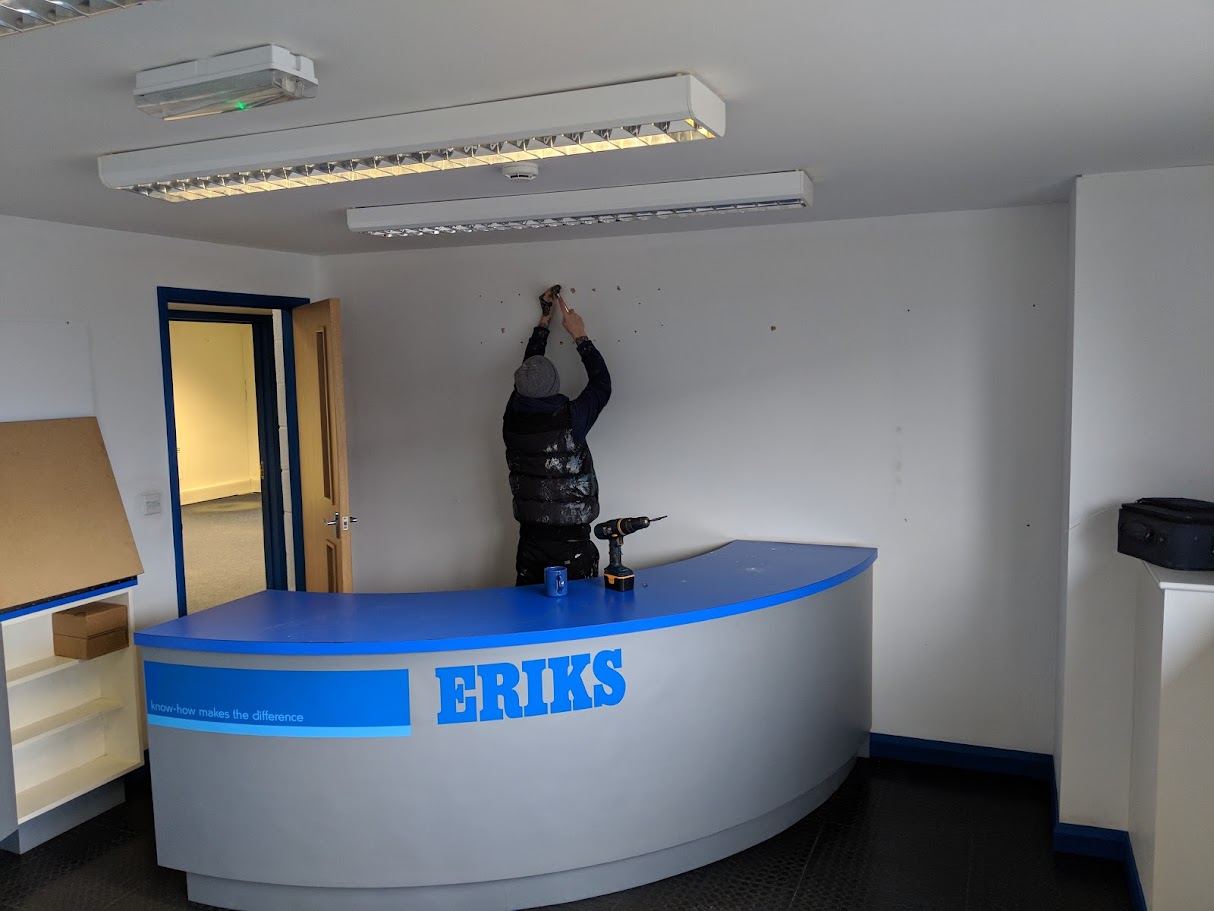
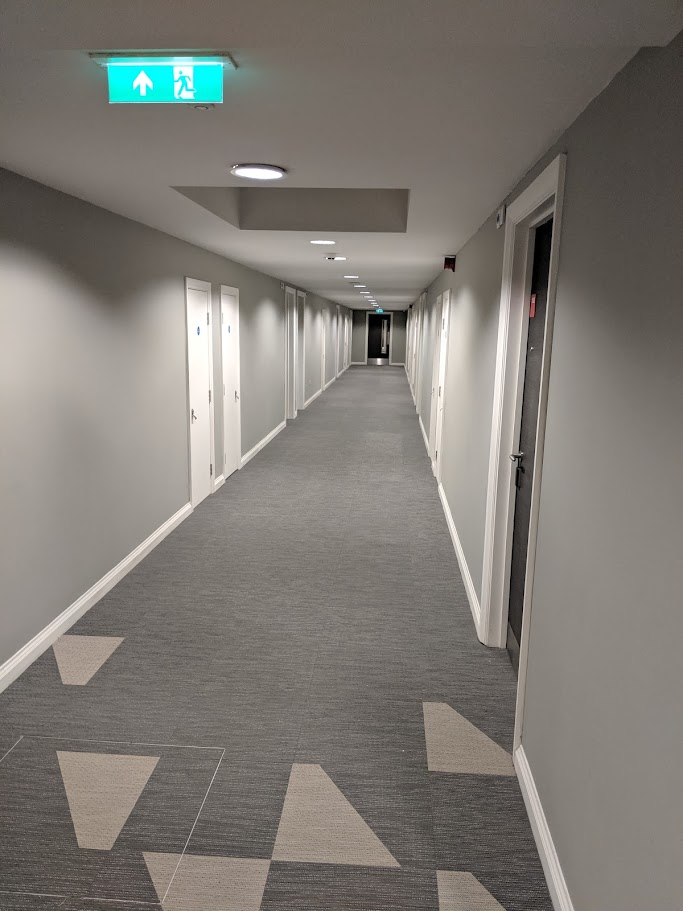
The most obvious sign is visible deterioration. Over time, walls and surfaces become marked, scuffed or faded — particularly in high-traffic areas such as corridors, entrances and shared workspaces.
Redecoration is often required when a property changes hands or is being prepared for a new tenant.
This is commonly linked to dilapidations works, where premises must be returned to a neutral, lettable condition.
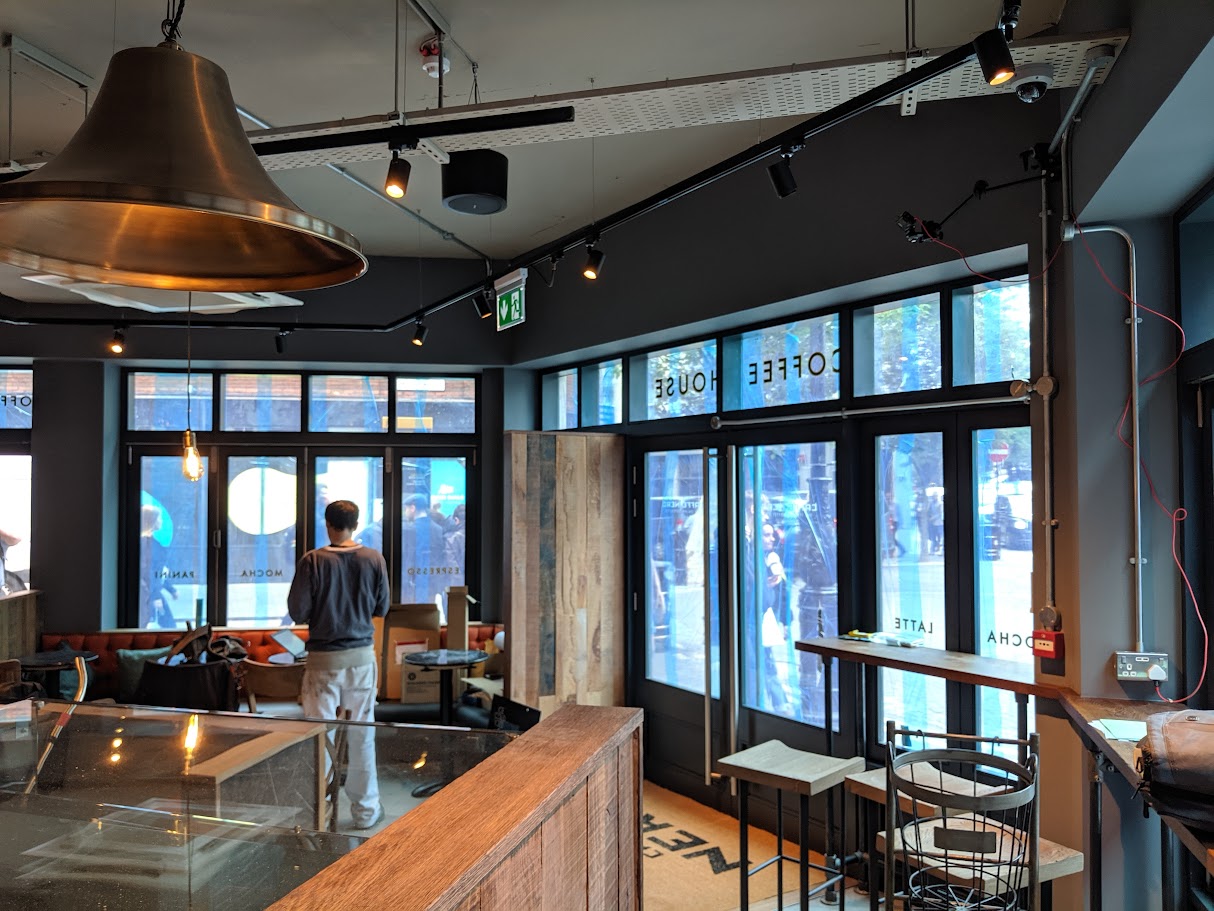
Businesses often redecorate to reflect updated branding, new layouts or reconfigured spaces. This typically forms part of a wider office fit out project.
Many commercial premises follow planned maintenance cycles to keep interiors in good condition.
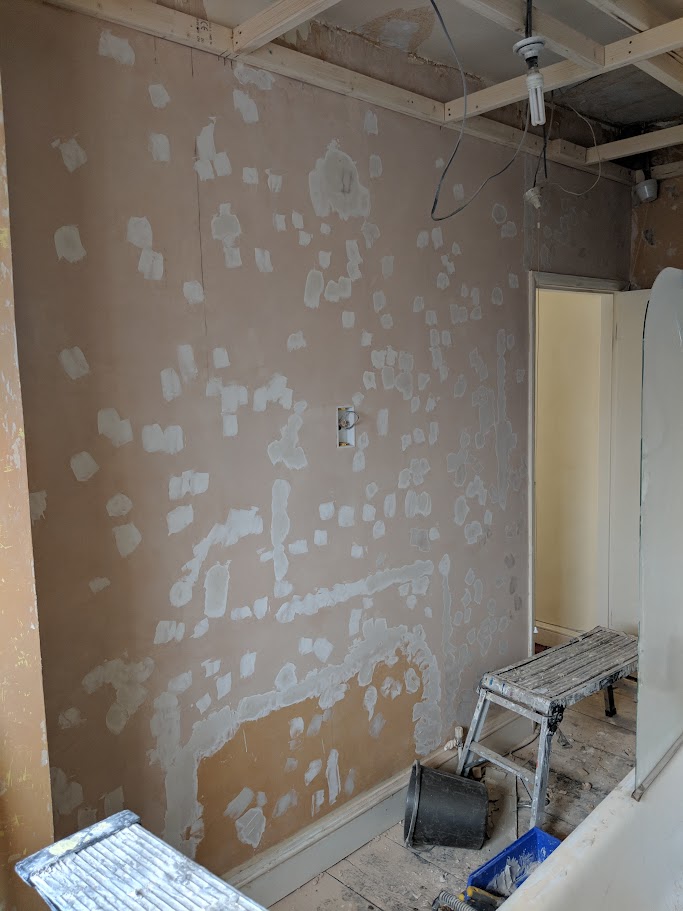
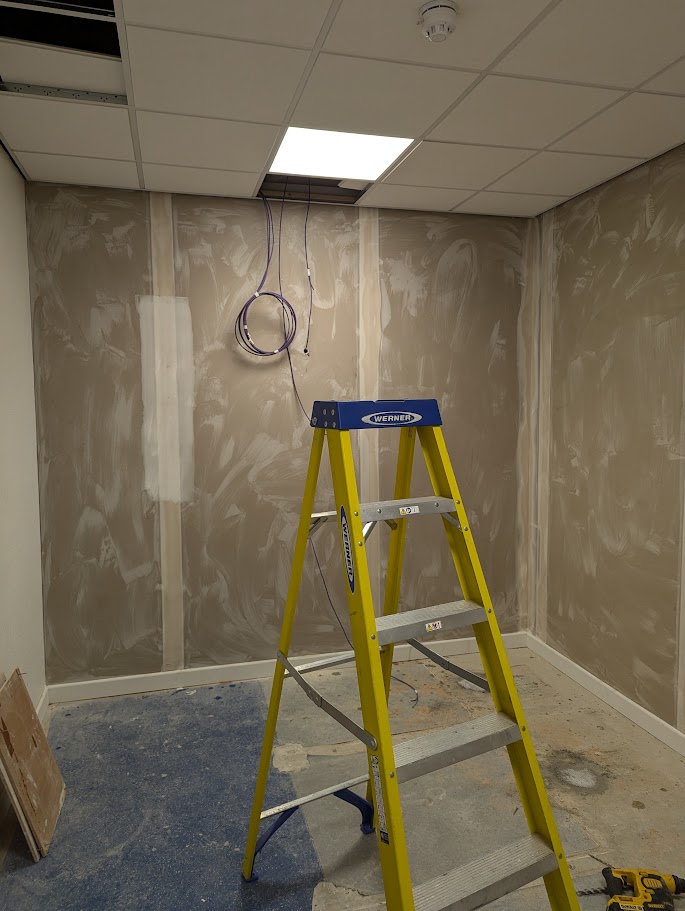
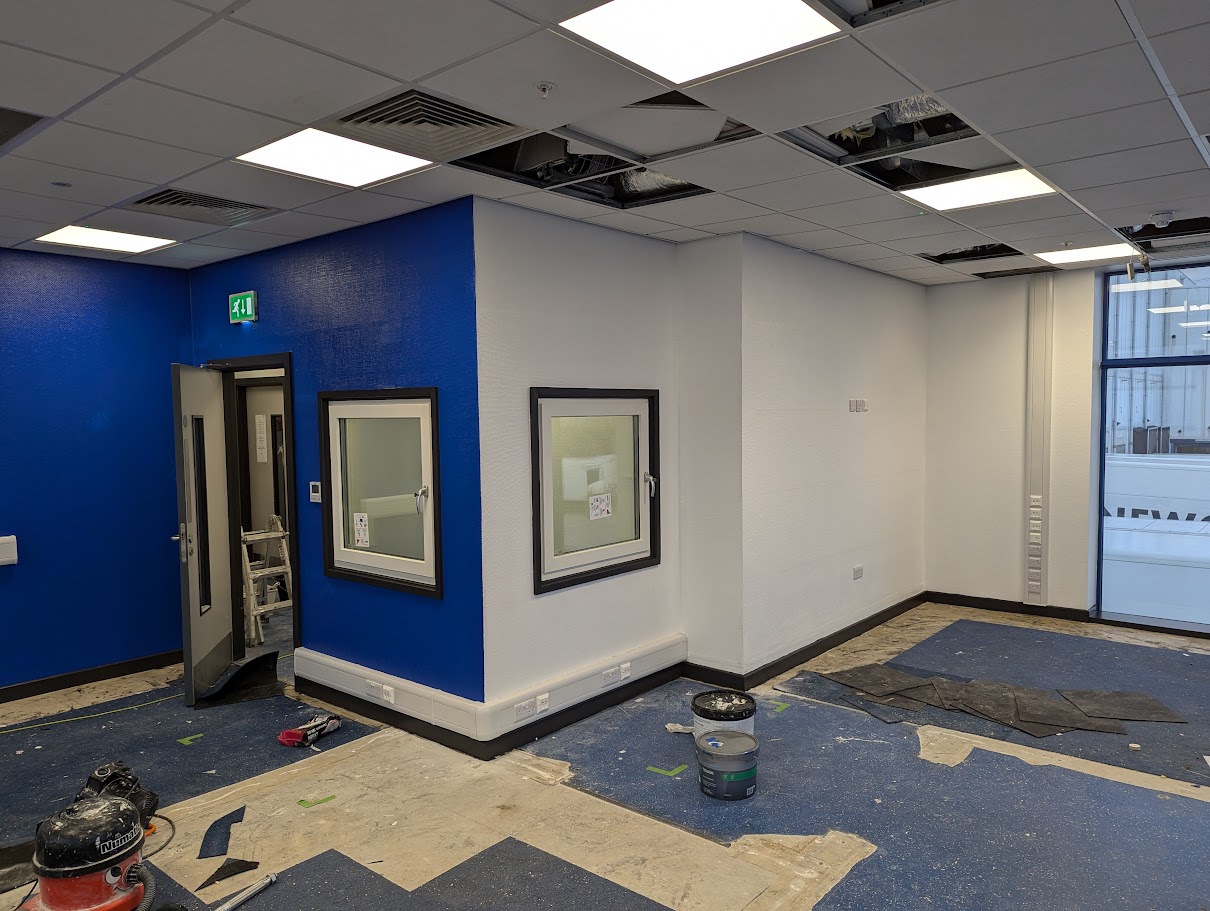
Decoration is often the final stage after construction or refurbishment works. Surfaces usually require preparation and finishing to achieve a consistent result.
See our commercial refurbishment contractors page for more detail.
How often should offices be redecorated?
Typically every 3–5 years depending on usage.
Can decorating be done during working hours?
Yes, but phased or out-of-hours working is often preferred.
Do you need to empty the building?
Not always — works can be phased to minimise disruption.
Ravenhill Contractors Ltd provides commercial decorating services across Sheffield and South Yorkshire, including offices, retail and industrial premises.
Call us on 0330 666 55 66 or contact us here.