Drylining and partition systems are at the centre of many modern commercial fit outs and refurbishments. They provide a fast, flexible way to divide internal space, improve layout efficiency and create surfaces that are ready for finishing.
From offices and schools to retail units and industrial premises, drylining systems make it possible to form meeting rooms, offices, storage spaces and corridors without major structural alterations. That makes them especially useful in commercial properties where speed, flexibility and coordination with other trades all matter.
If you are planning an office fit out, refurbishment or internal reconfiguration, understanding the basics of drylining and partition systems can help you make better decisions about layout, programme, cost and finish.
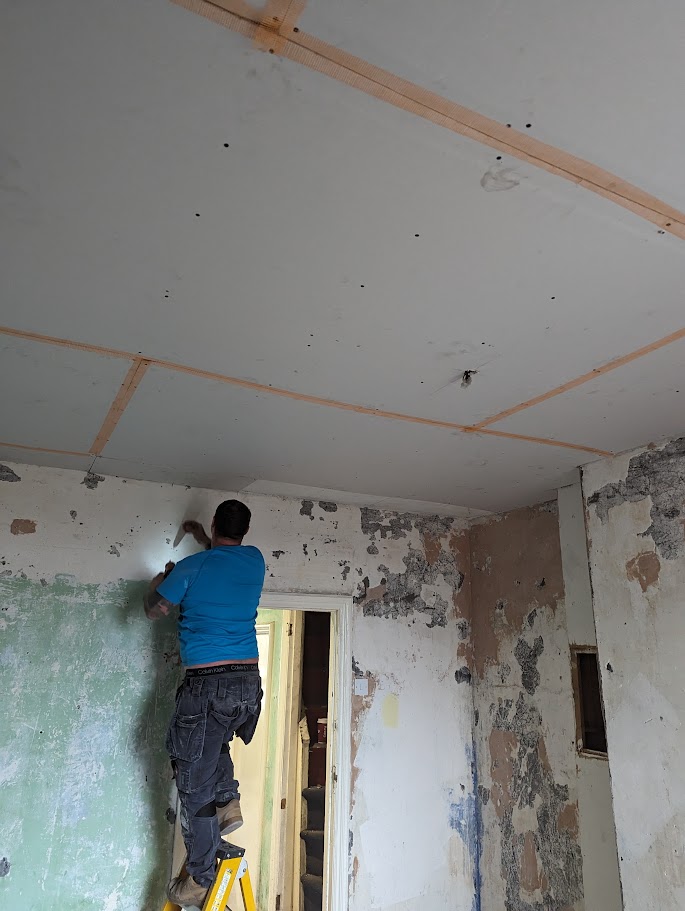
Drylining is a method of creating internal wall and ceiling finishes using plasterboard fixed to framing systems or prepared backgrounds. In commercial projects, it is widely used because it is quicker and cleaner than traditional wet plastering, and because it works well alongside modern partition systems.
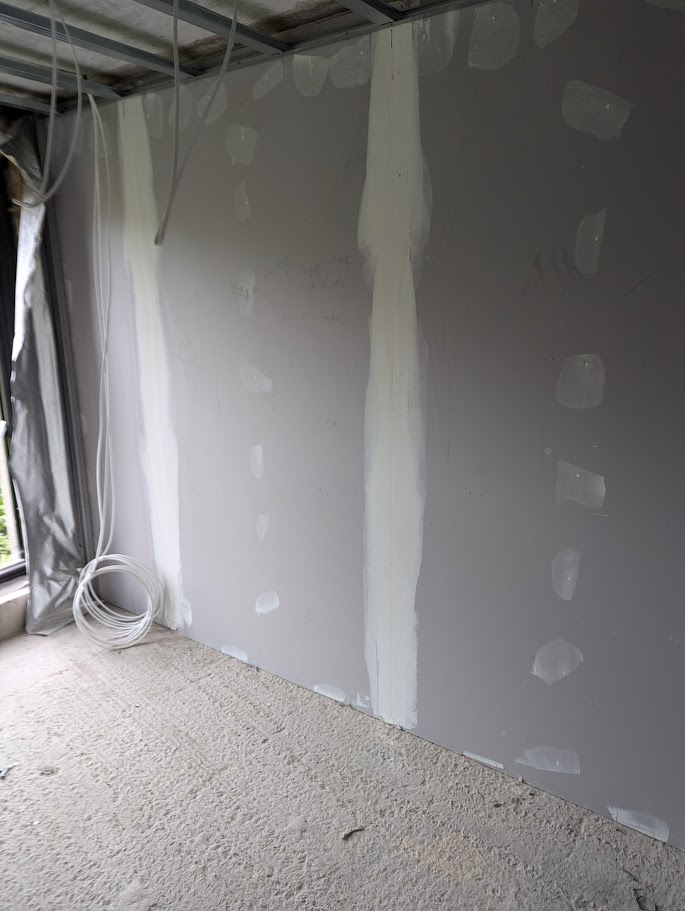
Once installed, drylined surfaces can be taped and jointed or skimmed to create a smooth finish ready for painting and decorating. This makes drylining a practical option for offices, retail premises, schools and many other commercial environments where time and finish quality are both important.
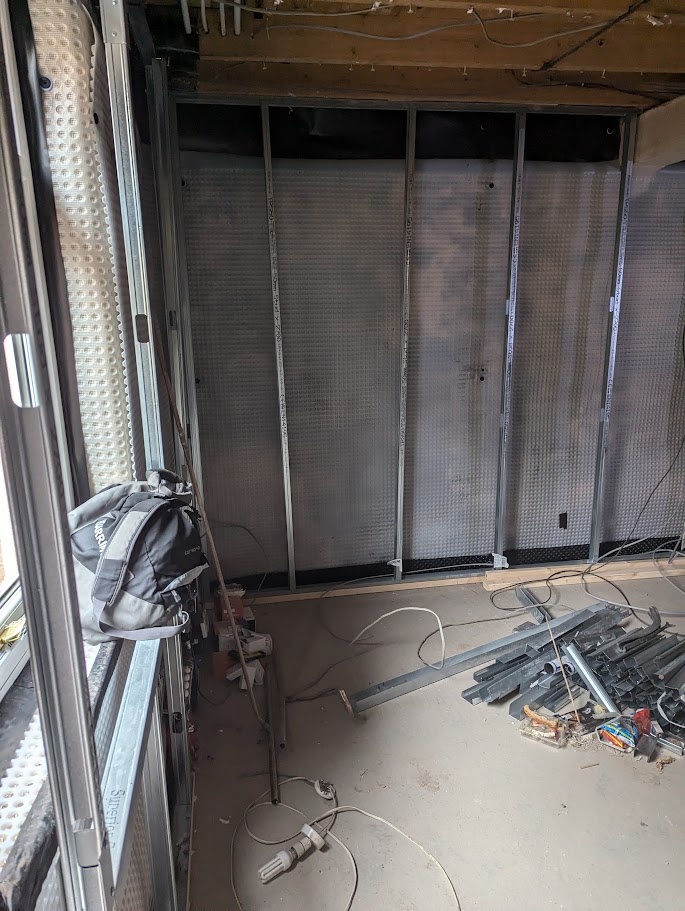
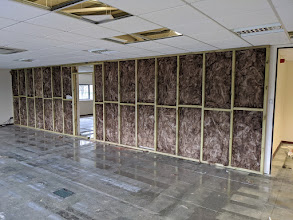
Partition systems are usually built using a lightweight metal or timber framework which is then lined with plasterboard. Depending on the specification, insulation may be added inside the cavity to improve sound reduction or thermal performance.
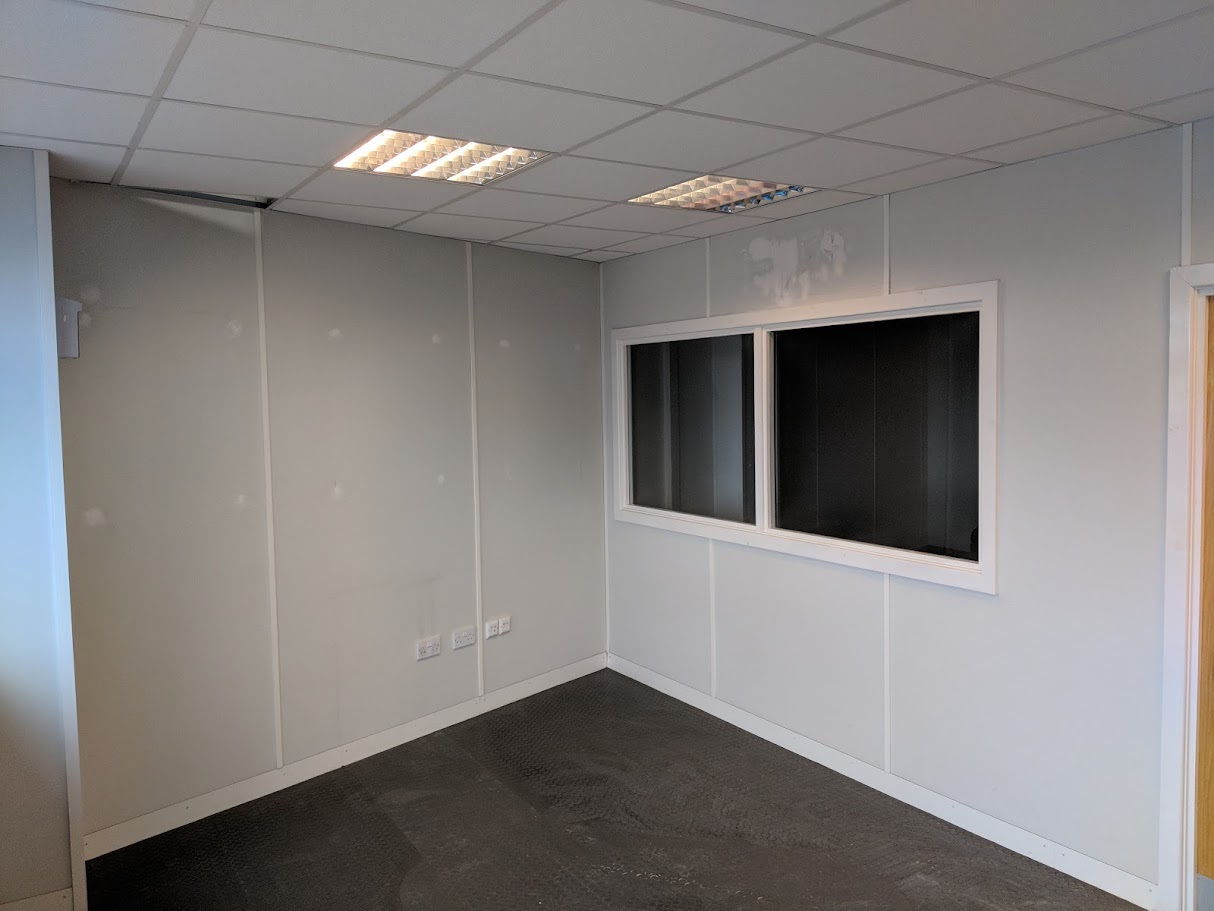
Because these walls are non-structural, they are ideal for creating internal rooms and dividing open spaces without changing the building’s main structure. This is why partition systems are so common in office fit out projects, workplace refurbishments and leased commercial spaces that may need to be altered again in the future.
Different partition types are used depending on the building, layout and performance requirements. The right system depends on what the wall needs to do in practice, not just where it sits on a drawing.
Although partition walls may appear simple when completed, they are made up of several elements working together. The exact build-up varies by project, but usually includes:
Drylining and partitions are used in a wide range of commercial settings because they provide flexibility and speed without the disruption of more invasive building work.
If a property is being returned to its previous layout, this often ties in with our commercial dilapidations checklist and related reinstatement works.
One of the main reasons commercial clients choose drylining systems is their practicality. They help projects progress efficiently while also allowing flexibility in how space is used.
A well-installed partition system still depends on good planning. Problems often happen not because the system itself is poor, but because layout or coordination decisions were left too late.
Before installation begins, it helps to confirm how the finished space needs to work. That includes not only room sizes and door positions, but also how lighting, power, data, ventilation and furniture will interact with the layout.
Commercial projects rarely happen in a perfect empty shell. In practice, drylining works often need to be coordinated around other trades, live working environments, access restrictions or fixed handover dates.
This is one reason why drylining is often delivered as part of a wider commercial refurbishment rather than as a standalone task. If you need broader project support, see our commercial refurbishment contractors page.
Drylining systems are straightforward in principle, but a few common errors can create delays, extra cost or disappointing finished spaces.
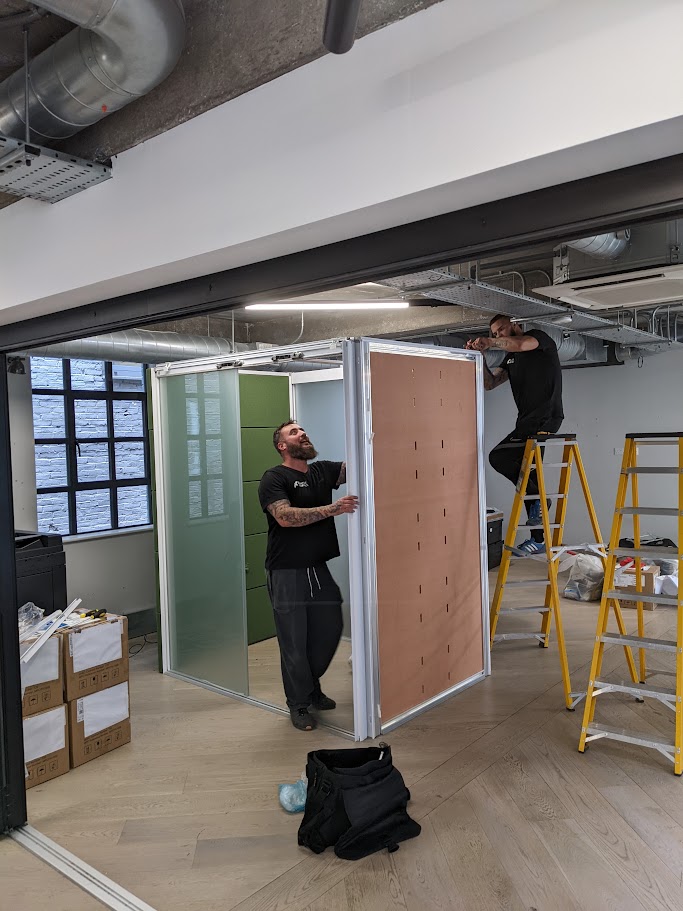
Office projects are one of the most common uses of partition systems. Drylining allows open areas to be divided into private offices, meeting rooms, breakout spaces and support areas quickly and neatly.
This makes it ideal for businesses that need to reconfigure workspace without lengthy structural work. It also allows landlords and tenants to adapt commercial premises between occupiers or when business needs change. For a wider overview of the planning side, read our guide on how to plan an office fit out.
What is the difference between drylining and plastering?
Drylining uses plasterboard fixed to a background or framing system, while plastering involves applying wet plaster to a surface. In commercial projects, drylining is often preferred for speed and flexibility.
Are partition walls permanent?
They are non-structural walls, so they can often be altered or removed in future if the layout changes.
Can partition walls improve sound reduction?
Yes. Acoustic partition systems can help reduce sound transfer when the correct build-up and insulation are specified.
Do partition systems need to be skimmed?
Not always. Some systems are taped and jointed, while others may be skimmed depending on the finish required.
Ravenhill Contractors Ltd provides drylining, partition systems and commercial interior works across Sheffield and South Yorkshire. We support office fit outs, refurbishments, reinstatement works and wider commercial projects with practical planning and reliable delivery.
Call us on 0330 666 55 66 or contact us here to discuss your project.